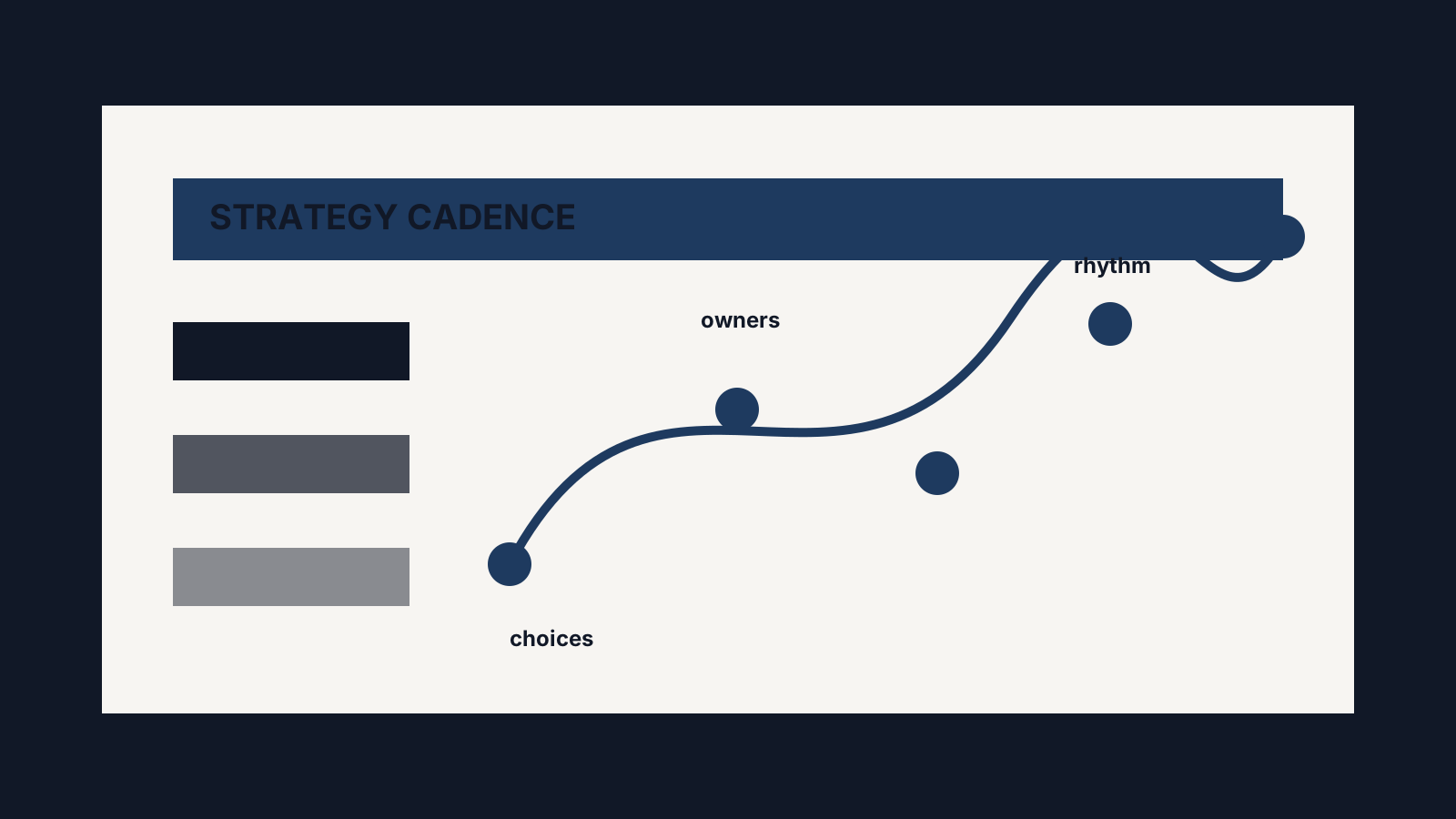
Most strategic plans are clear enough to approve and too vague to run. The problem is rarely the ambition. It is the missing machinery around decisions.
A useful strategy changes what leaders discuss every month. It makes the important trade-offs visible, names who owns them, and creates a rhythm where progress, delay, and evidence can be challenged without theatre.
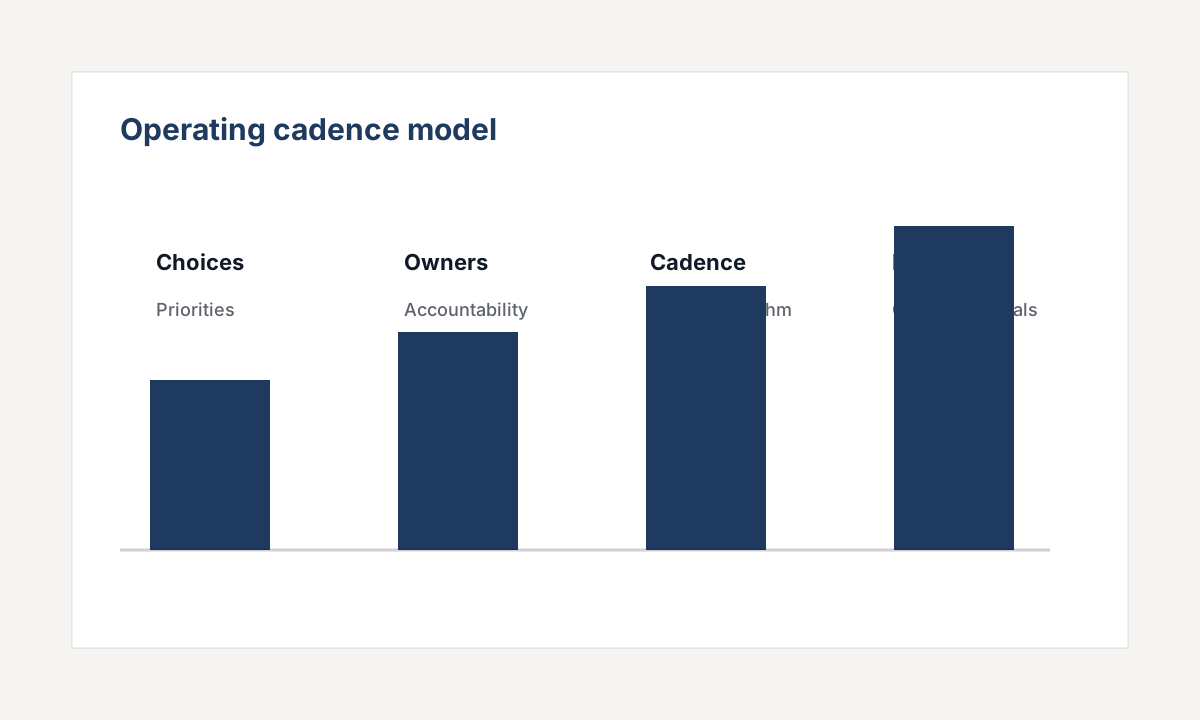
That rhythm does not need to be bureaucratic. It needs to be explicit. A leadership team should know which decisions are due, which dependencies are unresolved, which benefits are being tracked, and which assumptions no longer hold.
This is where ownership becomes practical. The strategy gets a calendar, a decision trail, and a way to learn before the cost of delay disappears into normal operations.